


Serum
The Glow Catalyst Serum
Fade dark spots and boost radiance with stable, potent vitamin C that actually works
£20.9930ml
- Brightens
- Firms
- Smooths
- Protects
15%Vit-C
0.1%Tocopherol
On its own it is £20.99. In a routine of 3 steps or more, 10% comes off everything, rising to 20%. Build one around this.
How to use
If it isn't right
30 days to decide. Opened bottles are fine.No form to fill in. Reply to your order email.This is on top of your statutory right to cancel, not instead of it.
The research
Full ingredients
Aqua, 3-O-Ethyl ascorbic acid, Caprylic/Capric triglyceride, Glycerin, Glyceryl stearate citrate, Citric acid, Squalane, Helianthus annuus seed oil, Xanthan gum, Sodium citrate, Sodium benzoate, Panthenol, Potassium sorbate, Centella asiatica leaf extract, Sodium phytate, Tocopherol, Sclerotium gum, Algin
Formulations are reviewed from time to time. The carton is always the definitive list.
Everything else we make.
Eight products. That is the whole shelf.
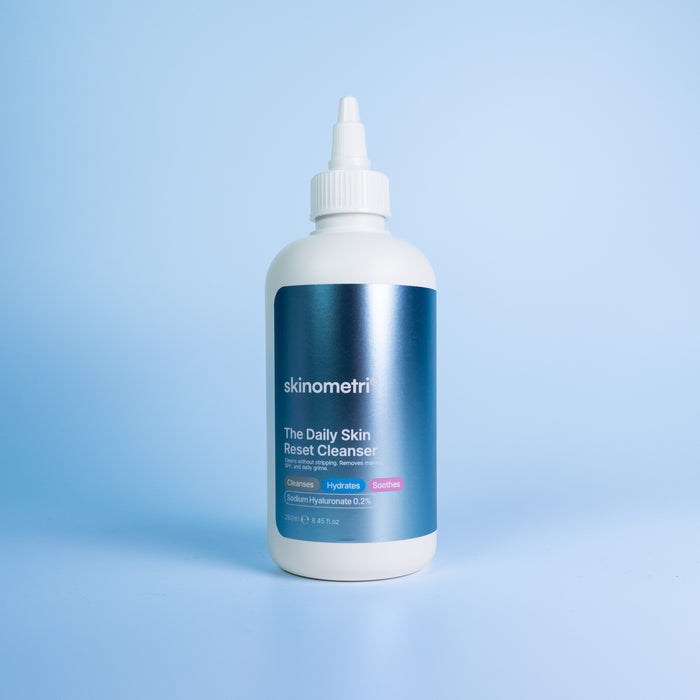
The Daily Skin Reset Cleanser
- Cleanses
- Hydrates
- Soothes
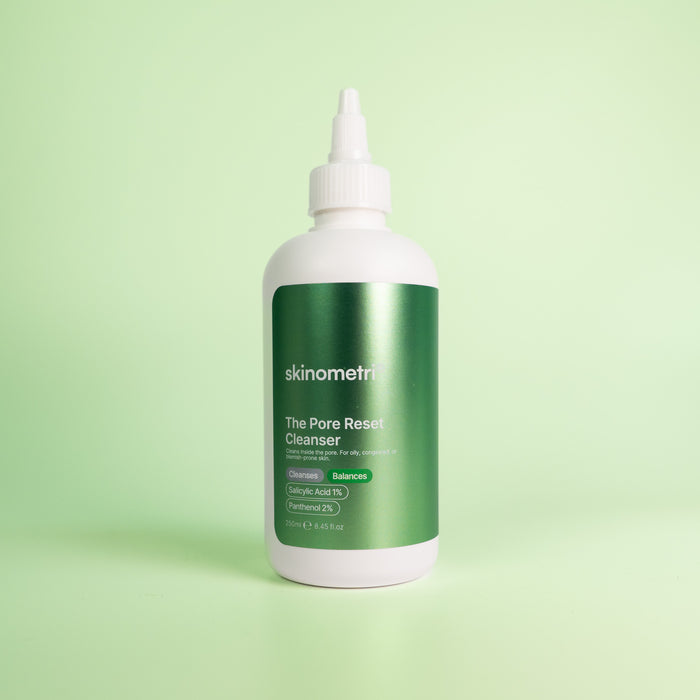
The Pore Reset Cleanser
- Cleanses
- Balances
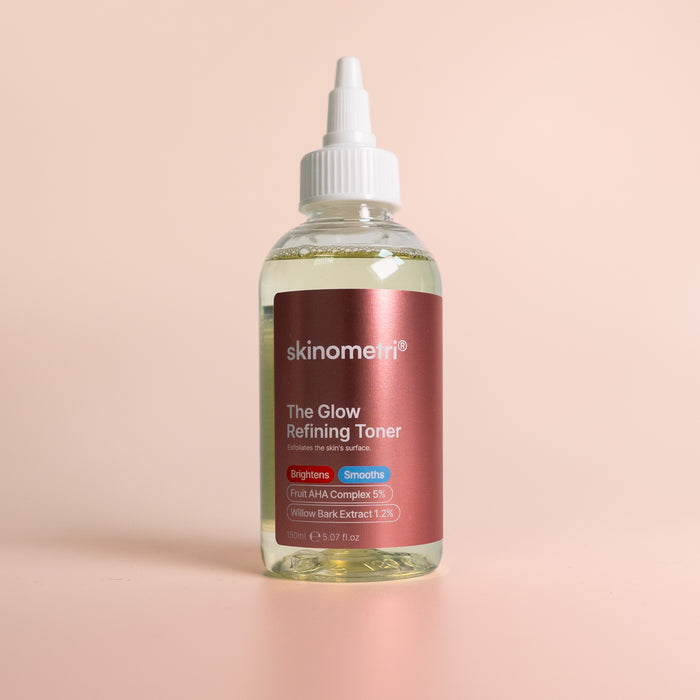
The Glow Refining Toner
- Brightens
- Smooths
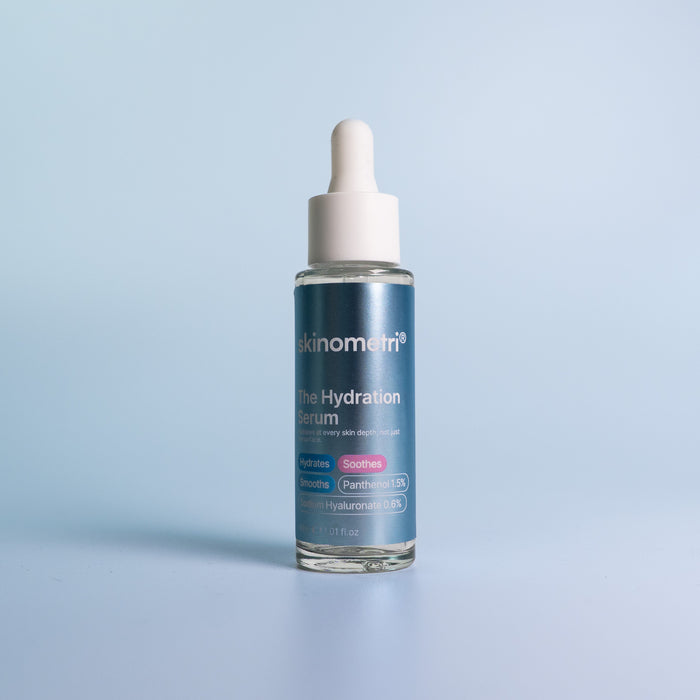
The Hydration Serum
- Hydrates
- Soothes
- Smooths
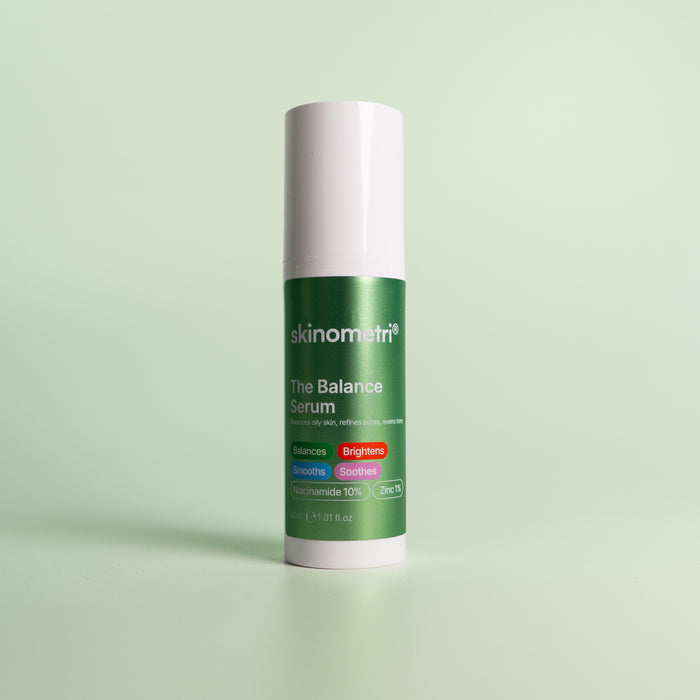
The Balance Serum
- Balances
- Brightens
- Smooths
- Soothes
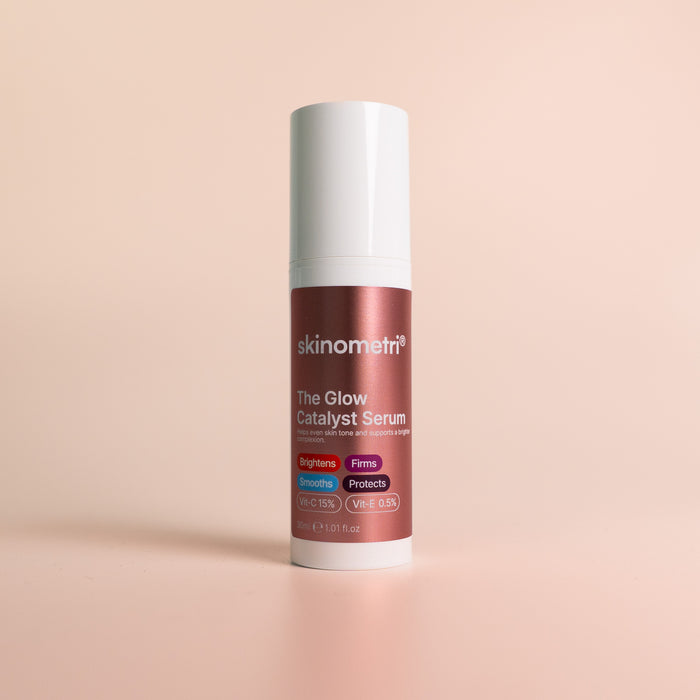
The Glow Catalyst Serum
- Brightens
- Firms
- Smooths
- Protects
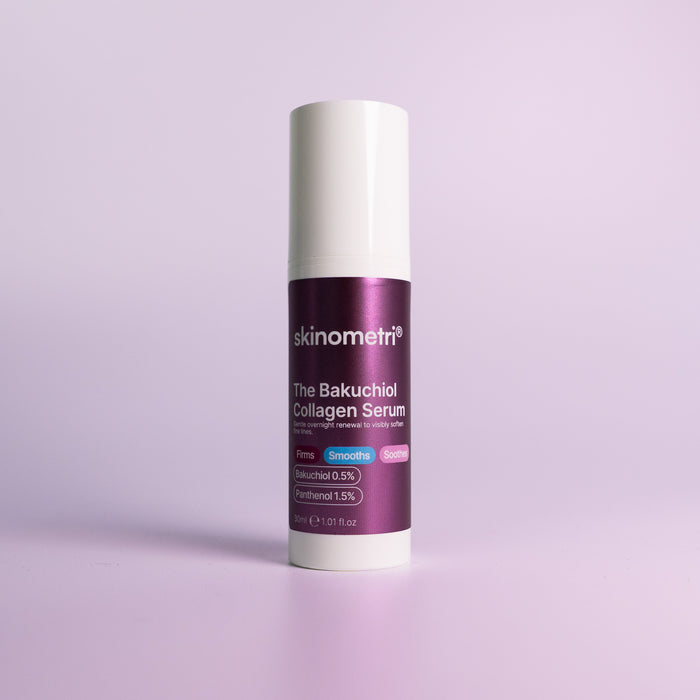
The Bakuchiol Collagen Serum
- Firms
- Smooths
- Soothes
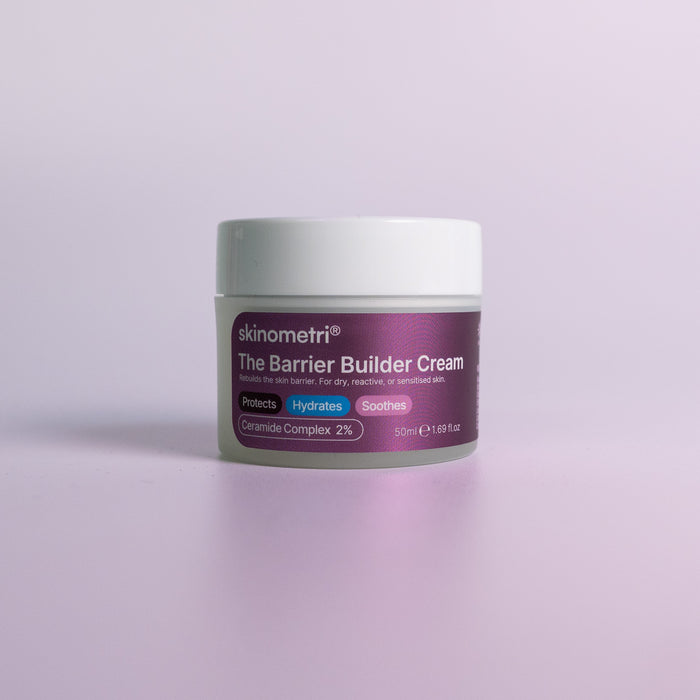
The Barrier Builder Cream
- Protects
- Hydrates
- Soothes